Here’s the situation I was trying to fix: I wanted a flexible side project that fit around a full-time job, family responsibilities, and an already crowded calendar. Searching for mystery shopping work produced plenty of promises, but not much clarity about pay, legitimacy, or the actual time involved. The useful question is not whether you can make money quickly. It is whether this work can become a small, repeatable system that pays fairly for your attention.
Mystery shopping means evaluating a customer experience while appearing to be an ordinary shopper. A company might ask you to visit a store, call a support line, test a website, or inspect a purchase process. You usually submit observations, receipts, and answers through an online platform. The assignment is simple in concept, but the details determine whether the hourly return is worth your time.
What mystery shopping work actually involves
A typical assignment starts with a brief. It could require you to visit a specific location during set hours, ask particular questions, notice whether an employee offers help, and record the interaction soon afterward. Some jobs are completed by phone or online, which can reduce travel. Others involve buying an item and receiving reimbursement after submitting acceptable documentation.
The advertised fee is only one part of the calculation. A $15 shop that takes 20 minutes sounds attractive until you add 25 minutes of driving, $4 in parking, and 15 minutes completing a detailed report. That assignment produced $15 for roughly an hour of total effort, before taxes. A $10 phone evaluation completed from your desk may be more efficient than a $30 visit across town.
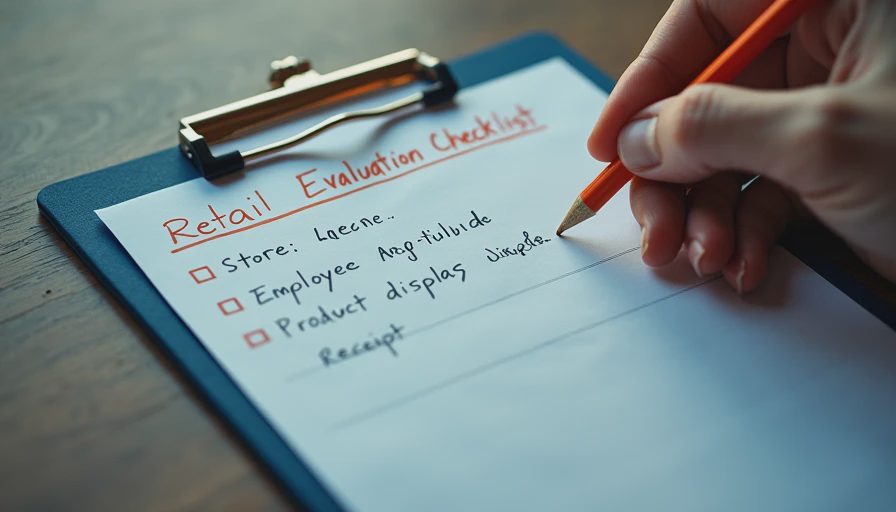
This is why I treat mystery shopping work like a small operations process. I record the assignment source, estimated time, travel distance, purchase requirement, fee, reimbursement, report deadline, and payment date. After several jobs, the spreadsheet reveals which categories deserve attention and which ones only look profitable in a listing.
Legitimate assignments normally explain the evaluation requirements before you accept. They do not ask you to deposit a large check, send gift card numbers as proof of payment, or pay a fee to unlock a private roster. Scam messages often use urgent language, vague company names, and unusually high compensation. Search the company independently, confirm its official website, and never rely only on contact information supplied in an unexpected email.
How to find assignments without wasting your evenings
Start with established mystery shopping companies and verify their registration process, payment terms, and shopper agreement. You may need to complete a profile, pass a short quiz, or provide tax information. That is normal. Requests for passwords to unrelated accounts, bank transfers, or expensive starter kits are not normal.
Create a separate email address for applications and notifications. Set a calendar reminder for report deadlines, because late submissions can lead to rejected work even when the visit itself was completed correctly. A basic spreadsheet is enough at first. Useful columns include company, assignment, location, acceptance date, required purchase, expected fee, reimbursement limit, mileage, time spent, submission status, and payment received.
Use geography to protect your hourly rate. Grouping two nearby visits on the same errand can make mystery shopping work more practical, but do not accept a second job simply because it is close. Check whether the timing overlaps, whether both reports demand detailed narratives, and whether one assignment prohibits shopping for another client during the same visit.
AI can help with organization, not fabrication. I might use a spreadsheet formula to estimate an effective hourly rate or a calendar tool to sort deadlines. I would not ask an AI system to invent customer observations, rewrite a memory into something more dramatic, or summarize a visit before checking every detail. The value of a report is accurate firsthand evidence.
Build a simple quality-control routine
The strongest shoppers usually win repeat opportunities through reliable execution rather than clever writing. Before leaving, read the brief twice and identify facts that must be captured: exact arrival time, employee description, product name, signage, required question, and receipt format. During the visit, make discreet notes immediately afterward. Do not rely on a vague memory of a conversation from several hours earlier.
A short post-visit routine prevents many avoidable errors. First, photograph the receipt and any required evidence while the information is available. Second, write factual notes in chronological order. Third, compare every answer with the assignment instructions. Fourth, check that the claimed time and location make sense. Finally, submit before the deadline rather than waiting for the last evening.
Mystery shopping work can also sharpen transferable skills. You practice following a process, collecting structured observations, writing concise findings, spotting inconsistencies, and meeting deadlines without constant supervision. Those skills connect to quality assurance, customer research, operations coordination, and service audits. The assignment itself is not a substitute for professional experience, but a documented process can become useful evidence of how you work.

Keep privacy in the routine. Avoid collecting unnecessary personal information about employees or customers, and follow the platform’s instructions for photographs. If an assignment asks you to record a conversation, stop and verify the legal and platform requirements before doing so. Recording laws differ by state, so a casual instruction should not override your judgment.
Is mystery shopping work worth it as a side path?
For most people, the answer depends on the purpose. If you need predictable weekly income, this is usually a weak replacement for a scheduled part-time job because assignments fluctuate and payment can arrive weeks after completion. If you want flexible tasks that build observation and documentation habits, it can be a reasonable experiment with strict limits.
Set a monthly test budget of time, not just money. For example, try four assignments over 30 days and track total hours, miles, out-of-pocket spending, rejected reports, and actual payment. A result of $85 after seven hours and $18 of expenses is different from the headline fees. It may still be worthwhile if the work fits an existing route, but it should not be described as effortless income.
A practical next step is to choose one category, such as phone evaluations or shops near your commute. Learn the reporting standard, complete a few assignments carefully, and review the numbers. Mystery shopping work earns a permanent place only when the payment, flexibility, and learning value outweigh the administrative burden.
Turn the workflow into better work
The larger opportunity is not to chase every listing. It is to study the workflow. What information must be captured? Which instructions cause mistakes? How could a checklist reduce missed details? Those questions are relevant in many professional settings, from weekly operations reporting to customer feedback analysis.
After a month, create a one-page process note showing your acceptance checklist, field-note method, quality review, and earnings calculation. That document can remain personal, or it can become the foundation for a broader service such as customer experience auditing for a local business. Do not sell that service before you understand consent, scope, evidence standards, and reporting expectations.
Better work first. More options next. Test mystery shopping work as a bounded experiment, measure the real return, and keep the parts that improve your judgment and execution. Make the workflow earn its place.





No feedback yet — submit the first.