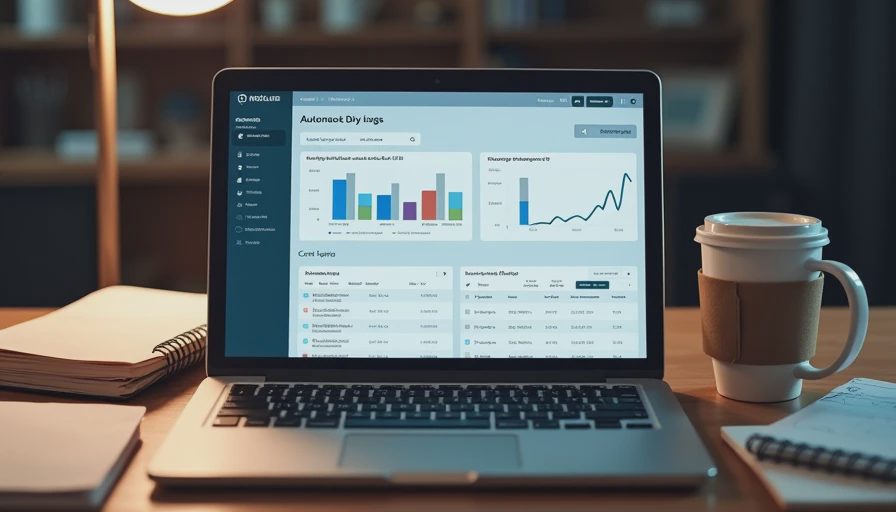
Some workflows look impressive on paper. They connect three polished tools, move data automatically, and produce a dashboard that feels like progress. I built one of those. After thirty days I deleted it.
This is the field test. It includes the setup cost, the maintenance burden, the failure modes, and the final decision to remove it. The point is not that automation is useless. The point is that a system can be technically clever and still fail the only test that matters: does it earn its place by returning more value than it consumes?

The Situation I Thought I Was Solving
I wanted a cleaner weekly view of project status across three sources: a task tracker, a shared document folder, and a messaging channel where updates arrived irregularly. The manual version required opening each source, copying fragments, and assembling a short status note. It took about forty minutes and felt repetitive.
The Attractive Idea
The idea was simple on the surface. Use one tool to pull tasks, another to watch document changes, and a third to summarize incoming messages. Pipe everything into a single daily digest. In theory the digest would replace the manual assembly and free the forty minutes.
It looked smart. It used current tools. It promised a single source of truth. I gave it thirty days.
How the System Was Built
I spent a full evening on the initial setup. Connecting the three tools required API permissions, filter rules, and a summary prompt that tried to turn messy inputs into a clean paragraph. The first digest arrived the next morning and looked promising.
Early Appearance of Success
For the first week the system produced something every day. The output was formatted. It contained real items from each source. It felt like the kind of leverage AI is supposed to deliver. I stopped doing the manual forty-minute assembly and waited to see the time savings compound.
What Actually Happened Over Thirty Days
By the second week the cracks were visible. By the fourth week the system was creating more work than it removed.
Failure Mode 1: Noise Outpaced Signal
The messaging channel produced frequent low-value updates. The summary layer dutifully included them. The daily digest grew longer and less decision-ready. I started spending time editing the digest before I could trust it, which reintroduced the exact manual effort I had tried to eliminate.
Failure Mode 2: Maintenance Never Stayed Zero
One integration broke after a tool update. Another began duplicating items when a filter rule drifted. Each fix required context-switching back into the automation layer. The cumulative maintenance time over thirty days exceeded the original manual effort the system was supposed to replace.
Failure Mode 3: The Output Did Not Change Decisions
The digest never became the place where I or anyone else actually made a call. It was an extra artifact. The real status conversations still happened in the original tools or in live discussion. The system had added a reporting layer without removing any existing layer.
The Final Accounting
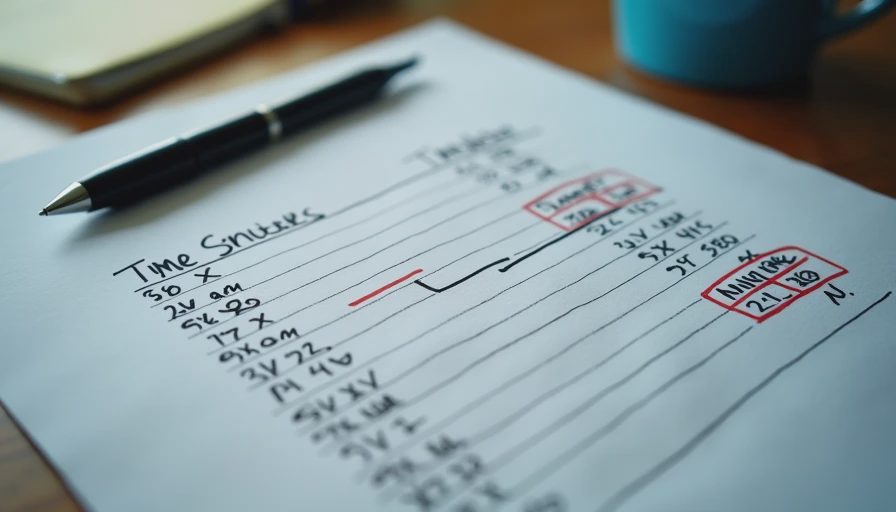
At the end of thirty days I added up the time.
Initial setup: approximately three hours
Ongoing maintenance and fixes: roughly two and a half hours across the month
Daily review and cleanup of the digest: another three hours total
Time actually saved on the original manual assembly: less than the combined overhead
The net result was negative. The workflow looked sophisticated and saved nothing.
What the Experiment Taught Me
Technical connection is not the same as leverage. A system that moves data between tools can still fail if it does not reduce decision time, reduce rework, or improve the quality of the output that people actually use.
The Questions I Now Ask Before Building
Before connecting multiple tools I run three checks:
Does this remove a step that currently costs real time every week?
What is the expected maintenance load if one integration drifts?
Will the new output become the place where a decision is made, or is it only another view of the same information?
If the answers are weak, I do not build it.
A Smaller Test You Can Run Instead
You do not need a thirty-day multi-tool experiment to learn the same lesson. Pick one repetitive status task you already do. Time it for one week. Then try the lightest possible improvement—usually a single checklist, a single saved view, or a single short prompt that organizes existing material. Time that version for one week. Compare the numbers and the decision quality.
If the lighter version does not clearly win, stop. Do not add a second or third tool in search of elegance.
Make the Workflow Earn Its Place
I deleted the three-tool system on day thirty-one. The manual forty-minute assembly returned, then gradually shrank through simpler changes that required no ongoing integration care. The sophisticated version had failed the only test that counts: it did not return more value than it consumed.
Better work first means keeping the systems that prove themselves and removing the ones that only look smart. This one looked smart. It earned nothing.

No feedback yet — submit the first.